



 En
En4 sustainable alternatives to tampons and pads - Bloody good solutions
13. Jan 2020
von
Every year, approximately seven billion tampons are consumed worldwide
Menstrual products alone cause a woman to produce over 140 kilograms of waste in the course of her life. Pads and tampons are by no means just made of cotton. A large part of the waste produced consists of plastic and takes centuries to decompose completely. Sanitary pads and panty liners have a particularly high plastic content. Inside there are often so-called super absorbers. These are special plastics that are made from petroleum and can bind a lot of liquid. Ideal for hygiene products, but an enormous burden on the environment due to resource-intensive production and poor degradability. If you no longer feel like throwing disposable plastic products in the bin every month, you should familiarize yourself with these four products.
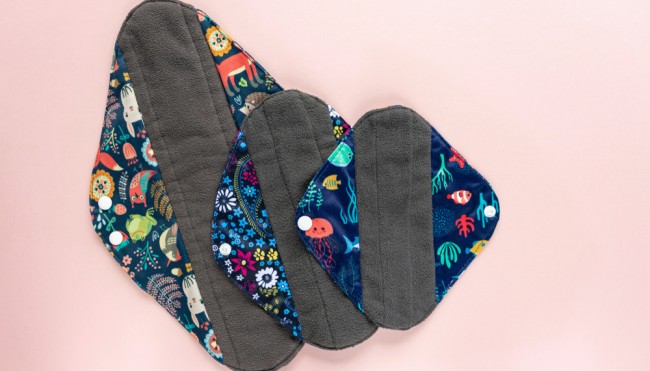
Washable Period Pads
Reusable pads are made of renewable materials such as hemp or cotton. They are comfortable to wear and have the same absorbency as conventional disposable pads. For heavier days there are inserts so that you can adjust the pad to your individual needs. After wearing, the pads should be washed briefly in cold water. They can then be washed in the washing machine at 60 degrees and are ready for the next use after drying. For a complete menstrual period an average of 15 pads are needed, which can be bought for around £100. These pads can be used for five years if they are well cared for. Compared to the cost of a yearly supply of pads or tampons, the savings are significant, not to mention the substantial benefit for the environment.
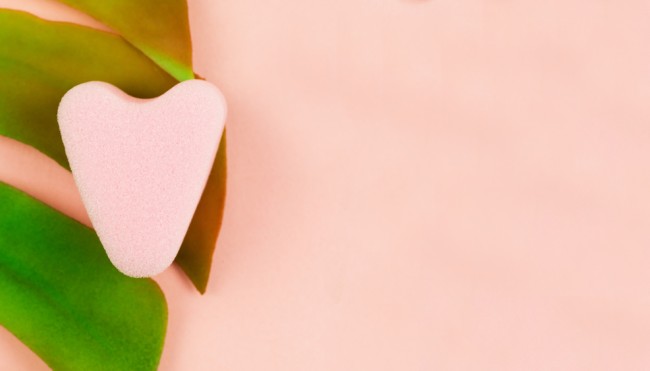
Menstrual Sponges
Small sponges can take over the function of cotton tampons. They are inserted into the vagina like tampons and suck up the menstrual blood there. Sponges made of synthetic foam are also known as soft tampons. These may only be used once and then end up in the trash. However, there is also a much more sustainable variant made of a natural sponge. These sponges can be rinsed out under cold running water after a short time and reused. After the end of your period, they should be cleaned with a vinegar solution and then stored in a dry, airy place until your next menstruation. Still, natural sponges are not a vegan alternative. Although they have been advertised as safe to wear during sex, some people have reported having difficulty retrieving them or the sponge ripping during retrieval. There are no reports of this being dangerous, but rather unpleasant or stressful. You can purchase a natural menstrual sponge starting from £20.
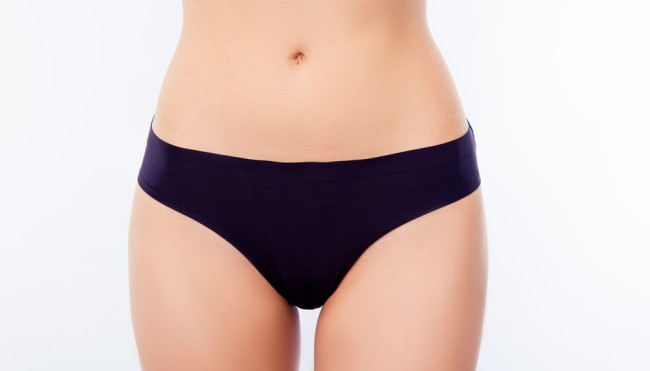
Reusable period underpants
A relatively new method of collecting menstrual blood is to wear special underwear. This consists of different layers that can absorb the menstrual blood of a whole day (12 hours). Some manufacturers use so-called biocides in them, which prevent the reproduction of bacteria and thus also significantly reduce the development of odours. These substances are not directly harmful to the user. However, once they are cleaned, the substances are washed-out and consequently enter the environment. According to the Federal Ministry for the Environment, this should be avoided if possible. Like fabric pads, they should be rinsed with cold water first, the difference is that they should only be washed at 40 degrees afterwards. In order to cover the entire menstruation, at least five underpants are required. These can be used for about two years and cost around £20 each.
Menstrual cup
The most widely and best studied alternative to tampons and sanitary pads are menstrual cups or mooncups. These small vessels are made of medical silicone or natural rubber and are inserted into the vagina. When in place, they reliably collect the blood, as leakage is virtually non-existent if they fit correctly. The cup is emptied into the toilet, rinsed under cold water and then reinserted. After menstruation, it should be boiled in water once.
You need not have any hygienic concerns with this menstrual product. According to a study, the cup is just as safe as tampons. Infections are very rare and allergies or pain have hardly been observed. Furthermore, the vaginal flora is not negatively influenced by the cup but remains in its natural state. However, this product can have one disadvantage. Some manufacturers use so-called softeners, which are hormonally effective and have negative effects on the environment. Therefore, look out for "BPA-free" products when buying. A menstrual cup can be bought for as little as £15 and can be used for up to ten years.
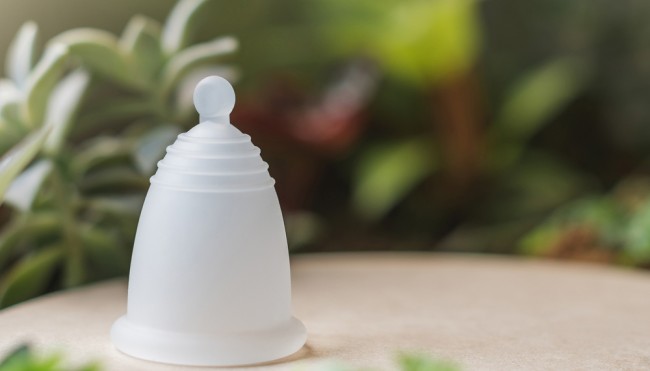
No matter whether it's washable period pads, a sponge, or a menstrual cup, these products are now available in drugstores and organic food stores. Period underwear is still rarely found in conventional shops, but they can currently be found online.
Related links:
![[final] Lichttherapie](/news/bilder/final-Lichttherapie-250x110-6-437306.jpeg)

![[final] Antioxidantien](/news/bilder/final-Antioxidantien-250x110-6-430302.jpeg)
![[final] Headerbild](/news/bilder/final-Headerbild-400x176-5-443302.jpeg)
![[final] Biofach 2024](/news/bilder/final-Biofach-2024-400x176-5-447302.jpeg)
![[final] Öko-Test Feste Duschen](/news/bilder/final-Oeko-Test-Feste-Duschen-400x176-5-446308.jpeg)
![[final] Kinderkosmetik](/news/bilder/final-Kinderkosmetik-400x176-5-446302.jpeg)
![[final] Öko-Test Orangensaft 100](/news/bilder/final-Oeko-Test-Orangensaft-100-400x176-5-445302.jpeg)


![[final] Biofach 2024](/news/bilder/final-Biofach-2024-120x68-3-447302.jpeg)
![[final] Öko-Test Feste Duschen](/news/bilder/final-Oeko-Test-Feste-Duschen-120x68-3-446308.jpeg)
![[final] Kinderkosmetik](/news/bilder/final-Kinderkosmetik-120x68-3-446302.jpeg)
![[final] Öko-Test Orangensaft 100](/news/bilder/final-Oeko-Test-Orangensaft-100-120x68-3-445302.jpeg)
![[final] Grünes Peeling](/news/bilder/final-Gruenes-Peeling-120x68-3-442319.jpeg)